




Pedestrian Accident Cases in Urban Areas: Who’s Really at Fault?
June 30, 2026
Trucking Company Liability vs. Independent Contractor Drivers
June 22, 2026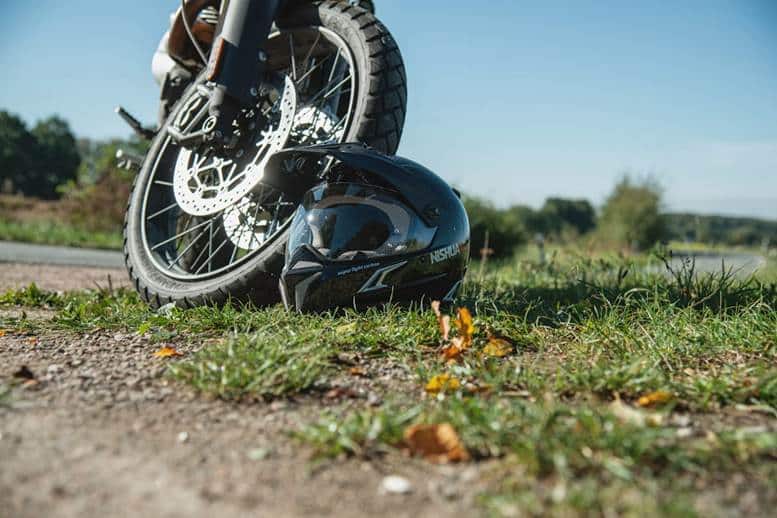
A motorcycle crash can be one of the most traumatic experiences of your life. The physical injuries are often severe, to say nothing of the profound emotional toll. Throw in the financial burden of medical bills and lost wages, and it can seem like your life will never return to normal. Even if you’ve never been involved in a crash, you can understand that this is the aftermath of a serious injury. What most people don’t know about until they’ve experienced it for themselves is the bias against motorcyclists in injury cases.
Everyone, from first responders and eyewitnesses to insurance adjusters and jurors, may hold a subconscious bias. They may assume you were speeding, weaving through traffic, or otherwise riding recklessly, simply because you rode on a motorcycle. Without qualified, experienced legal representation, your claim can be negatively affected.
Understanding this bias is the first step toward beating it. The next step is finding an attorney who understands what you’re up against and how to fight it. By shifting the narrative to focus on the evidence and objective facts, you and your legal team can pursue the compensation you rightfully deserve. Here’s what you need to know about the bias against motorcyclists in injury cases.
Why Motorcyclists Often Face Unfair Bias After a Crash
Unlike the drivers of passenger vehicles, who are generally given the benefit of the doubt, motorcyclists are often presumed guilty until proven innocent. This is due to deeply ingrained perceptions of motorcyclists that still permeate our culture. But why does this attitude prevail when motorcycle riding is now considered as American as apple pie and baseball?
Much of the problem stems from a lack of understanding. The vast majority of people on the road don’t ride motorcycles. They haven’t experienced the sheer vulnerability riders face in traffic alongside multi-ton SUVs and commercial trucks. They don’t understand that defensive maneuvering becomes necessary in these situations.
When a traumatic event like an accident occurs, this lack of understanding leads to a unique psychological effect. In their attempt to comprehend the situation, non-riders fill in the blanks with familiar stereotypes of anti-social, outlaw bikers.
Non-Riders Often Shape the Narrative
After a car accident involving a motorcycle, the rider may be loaded into an ambulance while the car’s driver gets to tell their side of the story first. This is just one way non-riders can shape the narrative of an accident. This biased account can then become the foundation of the insurance company’s case, leaving the rider fighting an uphill battle to correct the record.
Insurance adjusters are trained to look for any reason to minimize a payout. When they see a police report that even faintly echoes a negative stereotype, they will seize upon the moment. They might argue that comparative negligence laws mean a rider can even share a percentage of the blame, which can legally reduce the amount they’re entitled to.
Common Stereotypes That Can Hurt a Motorcycle Accident Claim
Motorcycle accident claim stereotypes tend to fall into three main categories.
First is the assumption of recklessness. There is a persistent myth that all motorcyclists drive fast and aggressively. If a crash occurs at an intersection, bystanders are prone to say the motorcycle “came out of nowhere,” implying it was traveling at excessive speeds.
In reality, the rider could have been traveling at the speed limit, but the driver simply failed to look carefully before turning left. And a good motorcycle accident lawyer can point out that the “came out of nowhere” defense is really an admission that the driver wasn’t paying enough attention to the road.
The next widespread misconception is the outlaw stereotype. In the 1953 film The Wild One, Marlon Brando led a motorcycle gang that terrorized a small California town. Since then, the image of the rebel, outlaw biker has been implanted in the American consciousness.
However, this stereotype has little connection to reality. Someone choosing a motorcycle as their mode of transportation doesn’t make them a criminal or gang member any more than choosing a four-door sedan would.
Finally, there are misunderstandings about protective gear. If a motorcyclist was not wearing a helmet in a state where protective gear is legally optional, insurance companies will often argue that the accident was the rider’s fault. Even if the injuries were to the legs or spine, where a helmet would have made no difference, defense attorneys will still say it relieves their client of responsibility.
This argument can severely distort a claim unless the rider’s attorney presents the facts of the case and how the law applies.
How Insurance Adjusters and Jurors May View Riders
From the average insurance adjuster’s perspective, choosing to ride a motorcycle is an inherent acceptance of excessive risk. In court, this insurance bias against motorcyclists can spread, as adjusters also know that members of the jury are likely to share the common misconceptions about riders and use that to their advantage.
The truth is that while riding naturally carries different physical risks than driving a car, no law states that a rider forfeits their right to make a claim against another party for negligence. If that negligence has led to pain and suffering, you are entitled to compensation.
Jurors bring their own personal experiences and preconceived notions to court, and insurance company attorneys hope to exploit those biases. Overcoming this disadvantage requires an attorney who can properly vet potential jurors for anti-motorcycle sentiments during the selection process and humanize the rider.
How to Counter Bias With Evidence
So, how do you fight an inaccurate narrative while you’re fighting for a fair settlement or a favorable jury verdict? Ultimately, the most effective antidote to subjective bias is objective evidence to prove pain and suffering.
When you have an attorney who can anchor your case in facts and irrefutable documentation, motorcycle accident bias no longer controls the narrative.
To help with your case, an experienced personal injury attorney will call accident scene witnesses to help verify that you were riding safely within the speed limit. They will also present
documentation, such as weather reports and accident scene photos, as evidence to counter the defense’s narrative of recklessness.
Your attorney may also utilize accident reconstruction experts. These professionals study evidence of all types — skid marks, vehicle damage, electronic data from vehicle black boxes — and present their findings to cut through juror bias.
What Riders Should Do After a Motorcycle Crash
Protecting yourself from bias against motorcyclists begins at the crash scene, provided you are physically able to do so. Here is what you should and shouldn’t do following a motorcycle crash:
- Evaluate your injuries and seek medical attention. Your top priority should always be your safety and health. As you assess your injuries, keep in mind that adrenaline may be masking the full extent of them. If first responders offer medical attention, don’t decline it. Comments like “I think I’m OK” can damage your claim months later.
- Don’t admit fault after a crash or apologize for anything. Statements you make in shock or out of concern for the other party can and will be twisted to hurt your case. Limit your conversation with other drivers to exchanging insurance information.
- Stick to the facts. When speaking with first responders or law enforcement, don’t make guesses about your speed or distance traveled. Everything you say can end up documented in the police report.
- Take photographs at the scene. If possible, use your smartphone or another camera to document the damage to both vehicles, their positions in the roadway, skid marks, your injuries, and any other relevant details.
- Collect contact information from all present at the scene. Generally speaking, the more witnesses you have, the better.
- Preserve your riding gear’s condition. Your gear can serve as critical evidence, so it’s important to keep it as close as possible to its post-accident state.
- Contact an attorney ASAP. Even if you don’t seem seriously injured at the time, it’s critical to have an experienced legal professional at your side early on.
How a Lawyer Can Help Present the Full Story
Biases are a fact of life. As much as we all try to remain objective, we make judgments based on past experiences. When we don’t have any relevant experience, we’re prone to letting stereotypes guide our thinking.
There’s no better example of this unconscious bias in action than when non-riders are asked to determine fault in a motorcycle injury case. The archetypal outlaw biker comes to mind, and the bias against motorcyclists continues. An experienced personal injury attorney can overcome this by sticking to the facts, presenting the nuances of the law, and breaking down stereotypes.
The personal injury attorneys at Kanner & Pintaluga know how to cut through the bias and focus on the objective evidence. We bypass the stereotypes and force the insurance adjusters to confront the reality of your claim. We handle the aggressive communications, secure the necessary expert witnesses, and construct a bulletproof narrative that honors your experience.
To learn more, speak with our team at Kanner & Pintaluga today.
Protecting Your Motorcycle Accident Claim: A Quick Guide
Beware of the myths about motorcycle accident victims:
- MYTH: They knew the risks, so they don’t deserve compensation.
- MYTH: If the car’s driver says they didn’t see the motorcyclist coming, they must have been speeding.
- MYTH: Not wearing a helmet makes a motorcyclist entirely at fault for their injuries.
Here’s how bias shows up after you make a claim:
- Insurance adjusters offering lowball settlements, banking on the rider believing they won’t succeed in court.
- Police citing the rider for a minor infraction while ignoring the driver’s failure to yield.
- Defense attorneys conjuring images of outlaw bikers and gangs to paint an accident victim in a bad light.
What to collect at the scene of a motorcycle accident:
- Photographs of the scene, skid marks, and vehicles’ positions in the road.
- Names and contact information of all bystanders, even if they weren’t close to the scene.
- Your helmet and riding gear. Don’t wash, repair, or discard any of this.