



Cuéntenos sobre su caso
Complete nuestro formulario para una evaluación GRATUITA de su caso.
Una lesión inesperada puede dividir la vida en un “antes” y un “después”. En un momento estás conduciendo hacia el trabajo, caminando por una tienda o con tu rutina diaria; y al siguiente, te encuentras lidiando con citas médicas, la pérdida de ingresos, dudas sobre el seguro y la incertidumbre de cuánto tiempo llevará la recuperación.
Complete nuestro formulario para una evaluación GRATUITA de su caso.
Kanner & Pintaluga ayuda a las personas lesionadas en todo Minnesota a comprender sus opciones legales y a buscar una indemnización cuando otra persona o empresa pueda ser responsable. Nuestro equipo investiga los accidentes, identifica la cobertura de seguro, documenta las pérdidas y resuelve las disputas que puedan impedir llegar a una solución.
Si un accidente ha alterado tu vida, contáctanos para una consulta gratuita. Un abogado especializado en lesiones personales de Minnesota puede analizar lo que ocurrió, explicarte qué leyes podrían aplicarse y ayudarte a decidir qué pasos seguir.
Guía rápida sobre la asistencia en casos de lesiones personales en Minnesota
Los días posteriores a un accidente rara vez permiten tener una visión completa de los daños. Los síntomas pueden cambiar, el tratamiento puede volverse más complejo y una ausencia breve del trabajo puede convertirse en semanas de licencia sin goce de sueldo. Mientras tanto, es posible que una compañía de seguros te pida una declaración o te proponga un acuerdo antes de que tu pronóstico esté claro.
Kanner & Pintaluga elabora un expediente que vincula el accidente con las pérdidas que se produjeron a raíz de él. Nos encargamos de las comunicaciones relacionadas con la reclamación y determinamos si las fotografías, los videos, las declaraciones de testigos, los registros de seguridad, la documentación médica, los registros laborales o los análisis de peritos pueden aclarar lo que sucedió y cuál ha sido el costo de la lesión.
El derecho de daños personales abarca numerosas situaciones en las que una conducta insegura provoca daños que se podrían haber evitado. Kanner & Pintaluga evalúa reclamaciones que involucran a empresas, propietarios de inmuebles, empleadores, transportistas comerciales y otras partes responsables.
Los accidentes en la I-35, la I-94, la Carretera 52, la Carretera 169 y las vías cercanas pueden involucrar a:
En las reclamaciones relacionadas con camiones también se pueden analizar las calificaciones de los conductores, las horas de trabajo, el mantenimiento de los vehículos, la carga de mercancías, las políticas de la empresa y diversas normas.
Las normas de responsabilidad civil sin culpa de Minnesota añaden una complicación adicional. Podemos revisar los informes policiales, las fotografías, los videos, los testimonios de los testigos, los expedientes médicos, los daños al vehículo y la cobertura del seguro para identificar las fuentes de indemnización.
La nieve, el hielo, los derrames, los pisos dañados, las escaleras inseguras, la iluminación deficiente y las aceras descuidadas pueden generar situaciones peligrosas. El hecho de sufrir una lesión por sí solo no establece responsabilidad legal.
Preguntas clave sobre las afirmaciones | Pruebas que pueden ser útiles |
¿Quién tenía el control de la propiedad? | Informes de incidentes y registros de mantenimiento |
¿Cuánto tiempo duró el peligro? | Videos, fotografías, registros meteorológicos y declaraciones de testigos |
¿Lo sabía el propietario o debería haberlo sabido? | Registros de inspección y evidencia del peligro |
¿Se revisó o se corrigió? | Registros de mantenimiento, informes, fotografías y videos |
Las condiciones pueden cambiar en cuestión de horas después de una caída o un choque. La nieve recién caída puede cubrir el hielo, las temperaturas pueden provocar que este se derrita y se vuelva a congelar, y es posible que se haya esparcido sal o se haya limpiado la nieve de una acera o un estacionamiento antes de que alguien regrese a inspeccionarlo.
Si puedes, toma fotografías generales y de primer plano, anota la hora y el lugar exactos, guarda el calzado que llevabas puesto y recopila la información de contacto de los testigos. Toma nota de si la superficie parecía mojada, compactada, recién cubierta de nieve o recongelada. Identifica también las cámaras cercanas y la empresa, el administrador de la propiedad, el contratista o la autoridad pública responsable del mantenimiento, ya que es posible que los registros de video y de servicio no se conserven indefinidamente.
Los peatones pueden sufrir lesiones cuando los conductores:
Estos casos pueden depender de la sincronización de los semáforos, la visibilidad, el diseño de las calles, los datos de los vehículos, las grabaciones de las cámaras y los testimonios de los testigos.
Responsabilidad potencial: La ley de Minnesota puede considerar responsable al dueño o al cuidador de un perro cuando este ataque a alguien que no lo haya provocado, que se comportara de manera pacífica y que se encontrara en el lugar de manera legal.
Una demanda puede abarcar la atención médica, la prevención de infecciones, las cicatrices, el tratamiento reconstructivo, la asesoría psicológica, la pérdida de ingresos y las secuelas emocionales del ataque.
Las lesiones cerebrales traumáticas, los daños en la médula espinal, las amputaciones, las quemaduras graves, las lesiones internas y otras afecciones catastróficas pueden afectar todos los aspectos de la vida de una persona. Estos casos pueden requerir la evaluación de:
Cuando un accidente provoca la muerte de una persona, en Minnesota se designa a un administrador judicial para que entable una demanda por muerte por negligencia en nombre del cónyuge sobreviviente y los familiares más cercanos.
Una reclamación puede referirse a:
La ley de Minnesota puede determinar quién paga primero, si la responsabilidad compartida reduce la indemnización y en qué plazo debe iniciarse una reclamación. Estas normas ofrecen puntos de partida útiles, pero el análisis correcto depende del accidente, del demandado y de las pérdidas involucradas.
El sistema de «sin culpa» no significa que nadie haya causado el accidente. Por lo general, significa que una persona lesionada solicita primero ciertas prestaciones por pérdidas económicas a través de la cobertura de Protección contra Lesiones Personales (PIP) aplicable, sin necesidad de demostrar quién tuvo la culpa.
Prestación mínima de $40,000 PIP de Minnesota se divide en dos grupos de cobertura:
Categoría de prestaciones | Lo que puede cubrir |
Prestaciones por gastos médicos | $20,000 para atención médica razonable y necesaria, así como para el transporte relacionado |
Prestaciones por pérdida de ingresos y otras pérdidas económicas | Un fondo independiente de $20,000 que cubre 85% por pérdida de ingresos hasta un máximo de $500 por semana, servicios de sustitución hasta un máximo de $200 por semana y ciertas pérdidas relacionadas con el funeral o los sobrevivientes |
El PIP no cubre los daños al vehículo. Una persona lesionada también puede reclamar las pérdidas económicas no cubiertas al conductor culpable. La indemnización por dolor, angustia emocional y otros daños no económicos generalmente requiere al menos un umbral legal:
Imagina que otro conductor se salta un semáforo en rojo durante un trayecto bajo la nieve y choca contra tu auto. Tu propia cobertura PIP podría pagar primero los gastos médicos que cumplan con los requisitos y parte de tus ingresos perdidos, incluso cuando las pruebas demuestren que el otro conductor causó el accidente. Una reclamación de responsabilidad civil por separado podría cubrir los daños al vehículo, las pérdidas que excedan la cobertura PIP y los daños no económicos que cumplan con los requisitos.
Dado que una póliza de seguro puede exigir que se notifique una posible reclamación de PIP tan solo seis meses después del accidente, reporta el accidente de inmediato. Guarda en un solo lugar tu solicitud de PIP, las facturas, los registros de millas recorridas por motivos de tratamiento, la comprobación de ingresos y los recibos de los servicios de reemplazo.
Código de Minnesota, § 604.01 permite obtener una indemnización cuando la culpa de la persona lesionada no es mayor que la culpa de la parte a la que se le reclama la indemnización. En ese caso, la indemnización se reduce en el porcentaje de responsabilidad que le corresponde a la persona lesionada.
Daños totales | Culpa de la persona lesionada | Recuperación potencial |
$100,000 | 20% | $80,000 |
Una culpa mayor que la del demandado puede impedir que se obtenga una indemnización de parte de ese demandado. Las fotografías con marca de tiempo, los videos, la información de los testigos, los informes y otras pruebas físicas o electrónicas pueden influir directamente en la forma en que se distribuye la responsabilidad.
En Minnesota no existe un plazo único para todas las reclamaciones por lesiones.
Tipo de reclamo | Punto de partida legal general |
Muchas demandas por lesiones derivadas de negligencia | |
Reclamaciones por responsabilidad civil estricta por productos defectuosos | |
Demandas por negligencia médica | |
Demandas por muerte por negligencia | Por lo general, tres años después del fallecimiento, con un plazo máximo de seis años |
Reclamaciones contra los municipios | Es posible que se requiera notificarlo dentro de los 180 días siguientes al descubrimiento |
Un accidente con un autobús o una máquina quitanieves de propiedad pública, una caída en un edificio gubernamental o una lesión relacionada con una escuela pública o una agencia estatal pueden dar lugar a requisitos especiales de notificación. Las leyes de Minnesota, por lo general, exigen que se presente la notificación dentro de los 180 días siguientes al descubrimiento de la pérdida o la lesión para las reclamaciones cubiertas contra municipios o el estado.
Determinar quién era el propietario del vehículo, quién tenía el control de la propiedad o quién contrató a la empresa de mantenimiento puede llevar tiempo, especialmente cuando la responsabilidad es compartida entre entidades públicas y privadas. Presentar un informe del incidente no significa necesariamente que se cumplan todos los requisitos legales, por lo que estos casos merecen una revisión inmediata.
Hay excepciones que pueden modificar estos plazos. El hecho de que un plazo parezca largo no es motivo para esperar. La nieve se derrite, las empresas sobrescriben los videos, los vehículos se reparan y se vuelve más difícil localizar a los testigos mucho antes de que venza el plazo para presentar la demanda.
Dependiendo del reclamo, la indemnización puede incluir:
El diagnóstico es solo una parte de esta evaluación. La misma lesión puede afectar de maneras muy diferentes a una persona que trabaja en una oficina, a un trabajador de la construcción, a un cuidador, a un estudiante o a un jubilado.
No todas las lesiones requieren representación legal. Sin embargo, una reclamación puede complicarse cuando las lesiones persisten, las partes no se ponen de acuerdo sobre la responsabilidad, pueden aplicarse varias pólizas de seguro o un perito cuestiona si el tratamiento era necesario.
Un abogado especializado en lesiones personales de Minnesota puede:
La representación legal también brinda un contexto para las decisiones que son difíciles de revertir. Un abogado puede explicar qué incluye una oferta, qué aspectos quedan sin resolver y cómo las facturas, los honorarios, los costos o las solicitudes de reembolso pueden afectar la indemnización neta que recibirá el cliente.
Kanner & Pintaluga basa cada demanda en las pruebas, la legislación aplicable y las formas en que la lesión ha cambiado la vida del cliente.
Nuestra guía sobre el proceso de reclamación por lesiones personales explica las etapas comunes con mayor detalle.
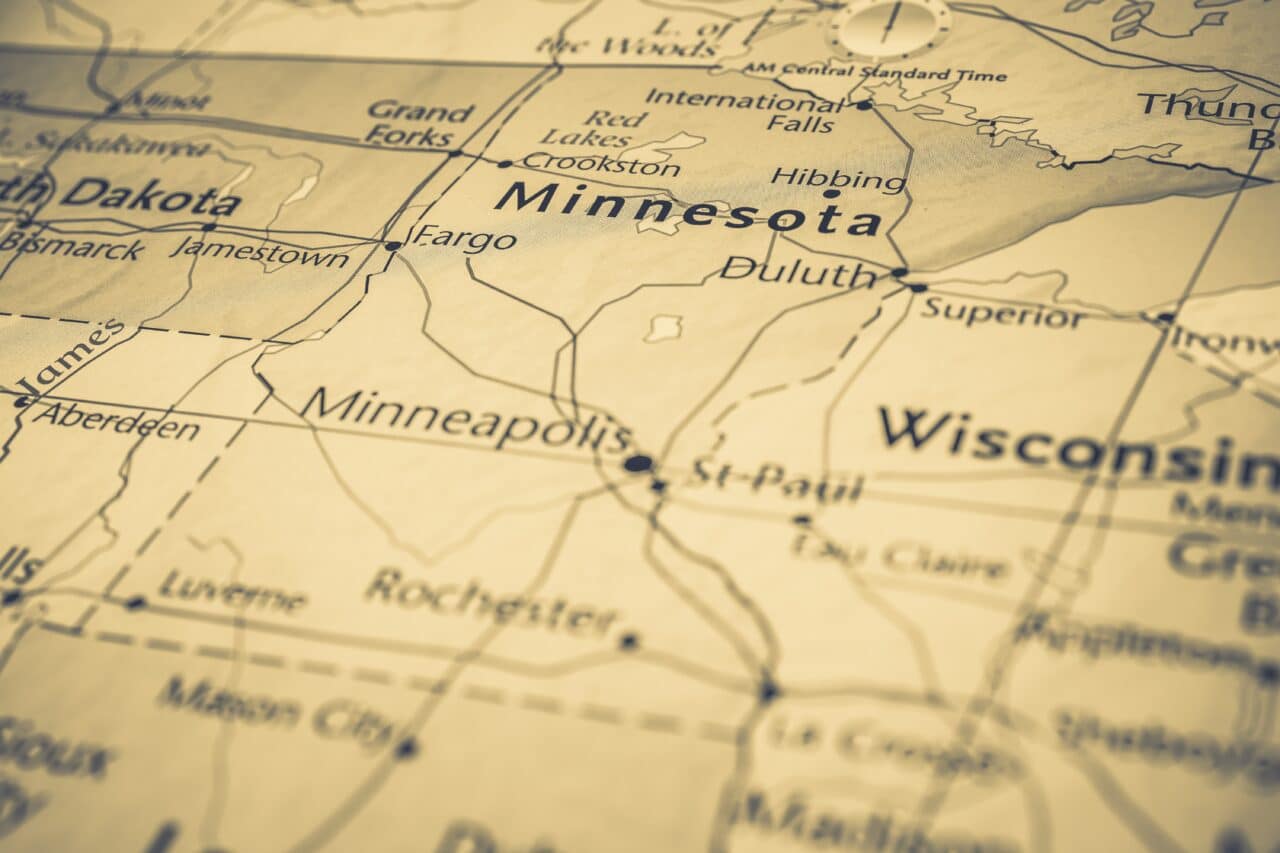
Kanner & Pintaluga evalúa reclamaciones de comunidades de todo Minnesota, entre ellas:
El Poder Judicial de Minnesota ofrece información oficial sobre la ubicación de los juzgados de distrito, las acciones civiles, los expedientes judiciales, los formularios y los recursos de autoayuda.
Kanner & Pintaluga atiende a clientes en Minnesota, pero no garantiza que cuente con una oficina con personal en cada una de las ciudades o comunidades mencionadas anteriormente. Comuníquese con el bufete para confirmar si se ofrece representación para su caso y su ubicación.
Una demanda por daños personales es un asunto civil mediante el cual una persona lesionada busca obtener una indemnización de la parte legalmente responsable. La mayoría de las demandas requieren pruebas de conducta negligente, relación de causalidad y daños cuantificables.
El plazo depende del fundamento legal de la demanda. En Minnesota se aplican diferentes plazos para los casos de negligencia, otros delitos civiles, negligencia médica, responsabilidad por productos defectuosos, muerte por negligencia y demandas contra entidades públicas. Consulta con un abogado para determinar cuál es el plazo aplicable.
El seguro sin culpa generalmente permite a una persona lesionada solicitar ciertos beneficios de PIP sin tener que demostrar primero quién causó el accidente. No elimina la culpa ni impide todas las reclamaciones contra un conductor negligente. La cobertura y los umbrales legales de lesiones pueden afectar las opciones disponibles.
Es posible. La ley de culpa comparativa modificada de Minnesota puede permitir la indemnización cuando la culpa de la persona lesionada no es mayor que la del demandado, pero la indemnización se reduce en función del porcentaje de culpa de la persona lesionada.
Revisa la oferta antes de firmar una exención de responsabilidad. Considera si tu condición se ha estabilizado, si se conoce la atención médica futura, si la pérdida de ingresos está documentada y si el monto refleja el impacto total de la lesión. Determina cómo las facturas, los embargos, los honorarios y los costos podrían afectar lo que recibas.
No necesariamente. Muchas reclamaciones se resuelven mediante negociación, pero el litigio puede ser la opción adecuada cuando las partes no logran ponerse de acuerdo sobre la responsabilidad, la causalidad médica, los daños y perjuicios, la cobertura o el monto justo de la indemnización.
La consulta es gratuita. En los casos en los que se aplica el sistema de honorarios contingentes, los clientes no pagan los honorarios del abogado a menos que el bufete consiga una indemnización. El contrato por escrito explica los honorarios, los costos y las responsabilidades.
Un accidente puede obligarte a tomar decisiones importantes mientras las consecuencias a largo plazo aún se están manifestando. Antes de aceptar una oferta o dar por hecho que la compañía de seguros ha tomado en cuenta todas las pérdidas, infórmate sobre cómo la ley de Minnesota podría aplicarse a tu situación.
Póngase en contacto con Kanner & Pintaluga para una consulta gratuita sobre una lesión en Minneapolis, St. Paul, Rochester, Duluth, Bloomington u otra localidad de Minnesota. No hay obligación de seguir adelante con el caso. En los casos que cumplan con los requisitos, no tendrá que pagar honorarios de abogados a menos que le consigamos una indemnización, sujeto a lo estipulado en el contrato de representación, la ley aplicable y los gastos relacionados con el caso.