



Tell Us About Your Case
Fill out our form for a FREE case evaluation.
An unexpected injury can divide life into a before and an after. One moment, you’re driving to work, walking through a store, or going about your day. The next, you’re managing medical appointments, lost income, insurance questions, and uncertainty about how long recovery will take.
Fill out our form for a FREE case evaluation.
Kanner & Pintaluga helps injured people throughout Minnesota understand their legal options and pursue compensation when another person or business may be responsible. Our team investigates accidents, identifies insurance coverage, documents losses, and addresses the disputes that can prevent a resolution.
If an accident has disrupted your life, contact us for a free consultation. A Minnesota personal injury lawyer can review what happened, explain which laws may apply, and help you decide what to do next.
Minnesota Personal Injury Help at a Glance
Contact Kanner & Pintaluga for a free consultation, and let us provide you and your family with dedicated service and get you the compensation you deserve.
The days following an accident rarely offer a complete picture of the damage. Symptoms may change, treatment can become more involved, and a short absence from work may turn into weeks of unpaid leave. Meanwhile, an insurance company may request a statement or propose a settlement before your prognosis is clear.
Kanner & Pintaluga develops a record connecting the accident to the losses that followed. We manage claim communications and determine whether photographs, video, witness statements, safety records, medical documentation, employment records, or expert analysis may clarify what happened and what the injury has cost.
Personal injury law covers many situations in which unsafe conduct causes preventable harm. Kanner & Pintaluga evaluates claims involving businesses, property owners, employers, commercial carriers, and other responsible parties.
Crashes on I-35, I-94, Highway 52, Highway 169, and nearby roads may involve:
Truck claims may also examine driver qualifications, work hours, vehicle maintenance, cargo loading, company policies, and multiple policies.
Minnesota’s no-fault rules add another layer. We may review police reports, photographs, video, witness accounts, medical records, vehicle damage, and insurance coverage to identify compensation sources.
Snow, ice, spills, damaged flooring, unsafe stairs, poor lighting, and neglected walkways can create dangerous conditions. An injury alone doesn’t establish legal responsibility.
Key Claim Questions | Evidence That May Help |
Who controlled the property? | Incident reports and maintenance records |
How long did the hazard exist? | Video, photographs, weather records, and witness statements |
Did the owner know or should they have known? | Inspection records and evidence of the hazard |
Was it inspected or corrected? | Maintenance logs, reports, photographs, and video |
Conditions can change within hours after a fall or collision. Fresh snow can cover ice, temperatures can cause melting and refreezing, and a walkway or parking lot may be salted or plowed before anyone returns to inspect it.
If you’re able, take wide and close-up photographs, record the exact time and location, save the footwear you were wearing, and collect witness contact information. Note whether the surface appeared wet, packed down, freshly snow-covered, or refrozen. Also identify nearby cameras and the business, property manager, contractor, or public agency responsible for maintenance because video and service records may not be kept indefinitely.
Pedestrians can suffer injuries when drivers:
These cases may depend on traffic-signal timing, visibility, street design, vehicle data, camera footage, and witness accounts.
Potential liability: Minnesota law may hold a dog’s owner or keeper liable when it attacks someone who didn’t provoke it, was acting peaceably, and was lawfully present.
A claim may address medical care, infection prevention, scarring, reconstructive treatment, counseling, lost income, and the attack’s emotional effects.
Traumatic brain injuries, spinal cord damage, amputations, severe burns, internal injuries, and other catastrophic conditions can affect every part of a person’s life. These claims may require evaluating:
When an accident results in death, Minnesota uses a court-appointed trustee to bring a wrongful death action for the surviving spouse and next of kin.
A claim may address:
Minnesota law can shape who pays first, whether shared responsibility reduces compensation, and how quickly a claim must begin. These rules offer useful starting points, but the correct analysis depends on the accident, defendant, and losses involved.
No-fault doesn’t mean no one caused the crash. No-fault generally means an injured person first seeks certain economic-loss benefits through applicable Personal Injury Protection (PIP) coverage without proving fault.
Minnesota’s minimum $40,000 PIP benefit is divided into two coverage pools:
Benefit Category | What It May Cover |
Medical expense benefits | $20,000 for reasonable, necessary medical care and related transportation |
Income and other economic-loss benefits | A separate $20,000 pool covering 85% of income loss up to $500 weekly, replacement services up to $200 weekly, and certain funeral or survivor losses |

PIP doesn’t cover vehicle damage. An injured person may also pursue uncovered economic losses from an at-fault driver. Compensation for pain, emotional distress, and other noneconomic harm generally requires at least one statutory threshold:
Imagine another driver slides through a red light during a snowy commute and hits your car. Your own PIP coverage may pay qualifying medical expenses and part of your lost income first, even when evidence shows the other driver caused the crash. A separate liability claim may address vehicle damage, losses beyond PIP, and qualifying noneconomic harm.
Because an insurance policy may require notice of a potential PIP claim as early as six months after the accident, report the crash promptly. Keep your PIP application, bills, treatment-related mileage records, wage verification, and receipts for replacement services together.
Minnesota Statutes § 604.01 allows recovery when the injured person’s fault isn’t greater than the fault of the party from whom compensation is sought. The award is then reduced by the injured person’s percentage of responsibility.
Total Damages | Injured Person’s Fault | Potential Recovery |
$100,000 | 20% | $80,000 |
Fault greater than the defendant’s can prevent recovery from that defendant. Time-stamped photographs, video, witness information, reports, and other physical or electronic evidence may directly affect how responsibility is divided.
Minnesota doesn’t use one deadline for every injury claim.
Claim Type | General Statutory Starting Point |
Many negligence-based injury claims | |
Strict product-liability claims | |
Medical-malpractice claims | |
Wrongful-death claims | Generally three years after death, with a six-year outside limit |
Claims against municipalities |
A crash with a publicly owned bus or snowplow, a fall at a government building, or an injury involving a public school or state agency may trigger special notice requirements. Minnesota statutes generally require notice within 180 days after the loss or injury is discovered for covered claims against municipalities or the state.
Determining who owned the vehicle, controlled the property, or hired the maintenance contractor may take time, especially when public and private entities share responsibility. Filing an incident report doesn’t necessarily address every legal requirement, so these cases deserve prompt review.
Exceptions can change these periods. A seemingly long deadline isn’t a reason to wait. Snow melts, businesses overwrite video, vehicles are repaired, and witnesses become harder to locate long before filing time expires.
Depending on the claim, compensation may include:
The diagnosis is only one part of this evaluation. The same injury can affect a desk worker, construction employee, caregiver, student, or retiree in very different ways.
Contact Kanner & Pintaluga for a free consultation, and let us provide you and your family with dedicated service and get you the compensation you deserve.
Not every injury requires legal representation. However, a claim can become difficult when injuries persist, the parties disagree about fault, several insurance policies may apply, or an adjuster questions whether treatment was necessary.
A Minnesota personal injury lawyer may:
Legal representation also provides context for decisions that are difficult to reverse. An attorney can explain what an offer includes, what it leaves unresolved, and how bills, fees, costs, or reimbursement claims may affect the client’s net recovery.
Kanner & Pintaluga builds each claim around the evidence, the applicable law, and the ways the injury has changed the client’s life.
Our guide to the personal injury claims process explains the common stages in greater detail.
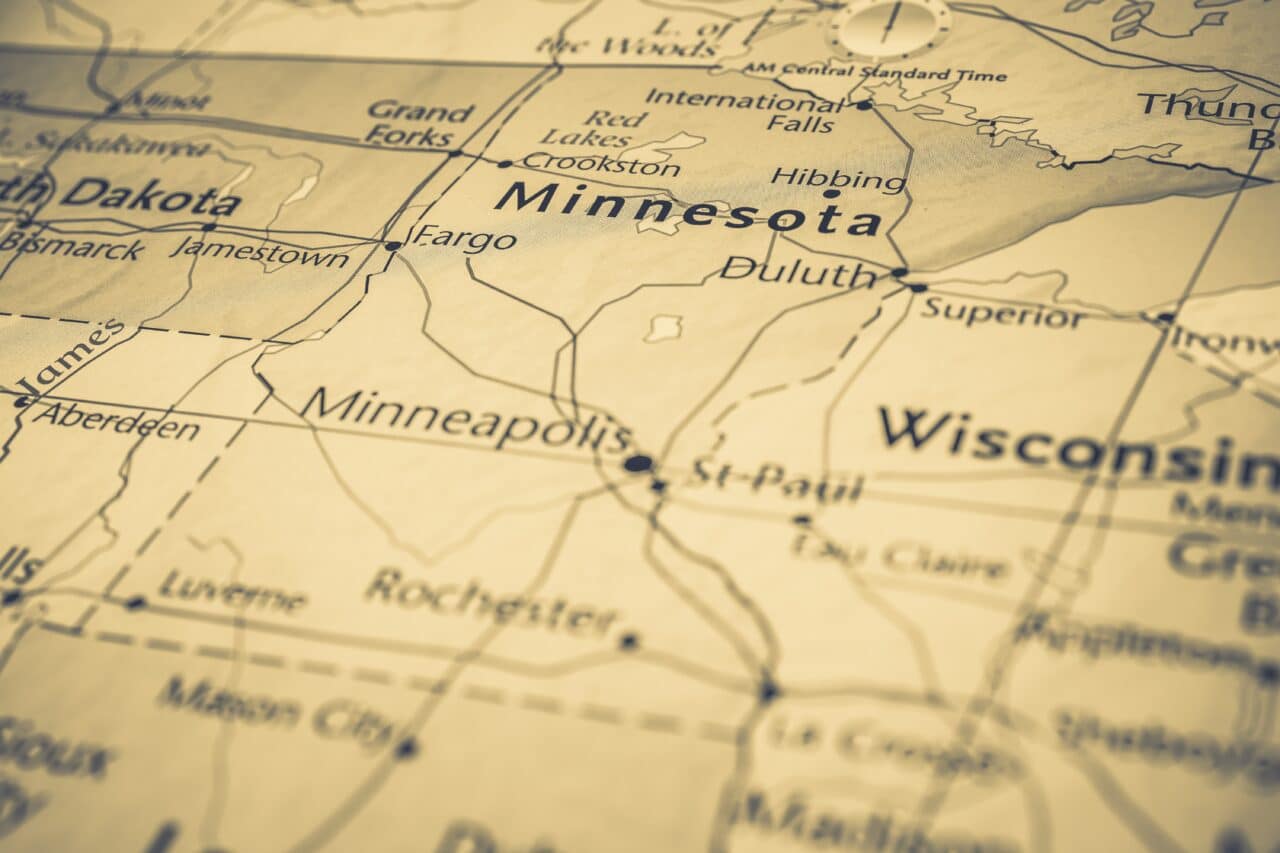
Kanner & Pintaluga evaluates claims from communities throughout Minnesota, including:
The Minnesota Judicial Branch provides official information about District Court locations, civil actions, court records, forms, and self-help resources.
Kanner & Pintaluga serves clients in Minnesota but does not represent that it maintains a staffed office in every city or community named above. Contact the firm to confirm whether representation is available for your case and location.
A personal injury claim is a civil matter through which an injured person seeks compensation from a legally responsible party. Most claims require proof of careless conduct, causation, and measurable damages.
The deadline depends on the legal basis of the claim. Minnesota uses different periods for negligence, other torts, medical malpractice, product liability, wrongful death, and public-entity claims. Ask an attorney to identify the applicable deadline.
No-fault insurance generally allows an injured person to seek certain PIP benefits without first proving who caused the collision. It does not eliminate fault or prevent every claim against a negligent driver. Coverage and statutory injury thresholds may affect the available options.
Possibly. Minnesota’s modified comparative-fault law may permit recovery when the injured person’s fault is not greater than the defendant’s, but compensation is reduced by the injured person’s percentage of fault.
Review the offer before signing a release. Consider whether your condition has stabilized, future care is known, income loss is documented, and the amount accounts for the injury’s full effect. Determine how bills, liens, fees, and costs may affect what you receive.
Not necessarily. Many claims resolve through negotiation, but litigation may be appropriate when the parties cannot agree about responsibility, medical causation, damages, coverage, or a fair settlement amount.
The consultation is free. In qualifying contingency-fee cases, clients do not pay attorney fees unless the firm recovers compensation. The written agreement explains fees, costs, and responsibilities.
An accident can leave you making important decisions while the long-term consequences are still unfolding. Before accepting an offer or assuming the insurance company has considered every loss, learn how Minnesota law may apply to your circumstances.
Contact Kanner & Pintaluga for a free consultation about an injury in Minneapolis, St. Paul, Rochester, Duluth, Bloomington, or another Minnesota community. There is no obligation to proceed. In qualifying cases, you will not owe attorney fees unless we recover compensation for you, subject to the representation agreement, applicable law, and case-related costs.