



free case evaluation
Tell Us About Your Case
Get a free, no-obligation case review from our team – available 24/7. No fee unless we win.
A bus accident can leave passengers, motorists, pedestrians, and families facing serious injuries and an unusually complicated claim. The bus operator may be a government agency, school district, private contractor, tour company, or other organization, and each arrangement can affect who is responsible, which insurance applies, and how quickly a claim must begin.
Kanner & Pintaluga represents people injured in public transit, school, charter, tour, shuttle, and commercial bus accidents. Our team can identify the parties involved, preserve records that may disappear, document the full effect of an injury, and pursue compensation through an insurance claim or lawsuit.
The scale of the problem is substantial. The Federal Motor Carrier Safety Administration reported that an estimated 19,000 people were injured in crashes involving buses in 2022.
Your consultation is free and carries no obligation. If we take your case, you will not pay attorney fees unless we recover compensation for you.
Fill out our form for a FREE case evaluation.
Question | Quick Answer |
Who may have a claim? | Injured passengers, occupants of other vehicles, pedestrians, bicyclists, people boarding or exiting, and qualifying surviving family members may have claims. |
Who may be responsible? | Potentially liable parties include a driver, bus company, transit agency, school district, contractor, maintenance provider, manufacturer, or another motorist. |
Do I need to have been on the bus? | No. A bus accident claim may arise when a bus strikes another vehicle, pedestrian, or cyclist, or causes another road user to crash. |
What if there was no collision? | Injuries caused by sudden braking, a closing door, unsafe steps, a fall inside the bus, or improper wheelchair securement may still support a claim. |
Is the deadline always the same? | No. Government notice rules, statutes of limitation, and other deadlines vary by jurisdiction and defendant. |
How much does it cost to speak with K&P? | K&P offers free, no-obligation consultations and handles eligible cases on a contingency-fee basis. |
The right claim strategy depends on the type of bus, who controlled it, and what the vehicle was doing when the injury occurred.
Bus or Service | Possible Operator or Owner | Issues That May Affect the Claim |
City or public transit bus | City, county, transit authority, or contractor | Government notice requirements, immunity rules, video, and route data |
Public or private school bus | School district, school, or transportation contractor | Student supervision, loading-zone safety, driver qualifications, and stop-arm procedures |
Charter, tour, or intercity bus | Private passenger carrier or tour operator | Federal or state carrier rules, driver fatigue, maintenance, and multiple injured passengers |
Hotel, airport, casino, or event shuttle | Business or contracted operator | Ownership, commercial insurance, route control, and contractor relationships |
Church, camp, or organization bus | Nonprofit, organization, or hired carrier | Vehicle maintenance, driver screening, insurance, and whether federal rules apply |
Paratransit or care-facility vehicle | Public agency, medical provider, facility, or contractor | Wheelchair lifts, passenger securement, boarding assistance, and supervision |
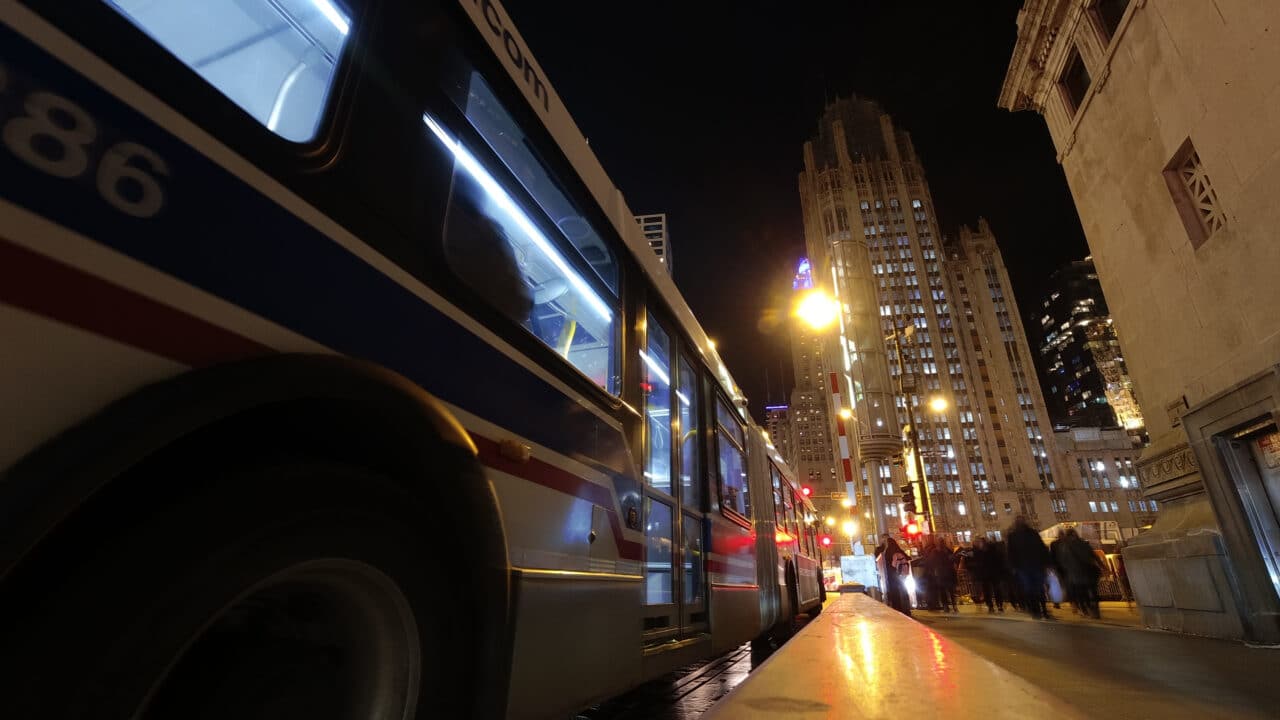
A crash involving a city bus or public transit vehicle may require action before the ordinary lawsuit deadline. Some jurisdictions require an injured person to notify the public agency within a short period, use a particular form, or provide specific facts about the incident. Separate rules may limit where a case can be filed or what damages are available.
The operator printed on the bus is not always the only relevant party. A government entity may own the vehicle while a private contractor employs the driver, performs maintenance, or manages the route. An attorney can investigate those relationships and determine which requirements apply.
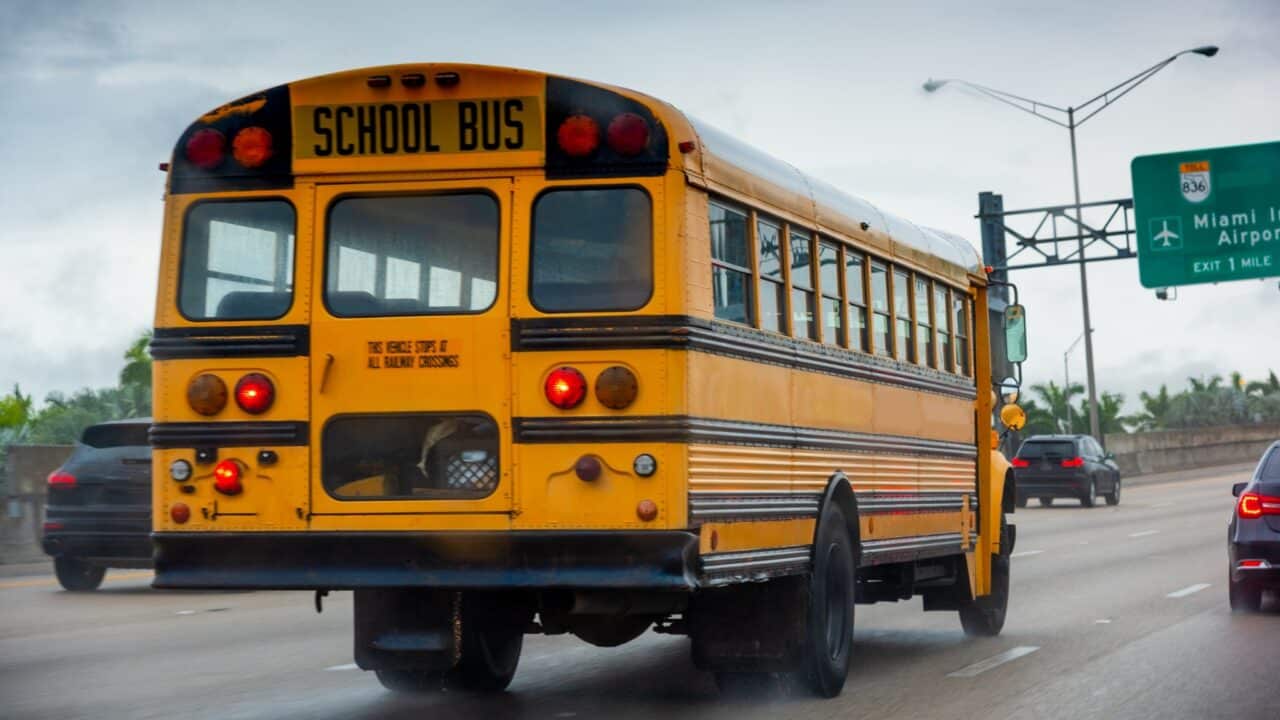
School bus claims may involve a student hurt inside the bus, a child struck while boarding or exiting, an occupant of another vehicle, or a pedestrian or cyclist. The National Highway Traffic Safety Administration recorded 11,803 people injured in school-bus-related crashes in 2023. Only 5,186 were school bus passengers; the remaining injured people included drivers, occupants of other vehicles, pedestrians, cyclists, and others.
Important questions include whether the driver followed loading and unloading procedures, used warning lights and a stop arm correctly, supervised children appropriately, and received adequate screening and training. In a charter bus case, records concerning the carrier, driver schedule, vehicle inspection, and trip plan may be equally important.

Private operators can include interstate passenger carriers, tour companies, hotels, airports, event venues, and businesses providing employee transportation. Depending on the service and route, federal passenger-carrier requirements may apply. FMCSA provides official guidance concerning passenger-carrier safety, including rules that may reach organizations whose primary business is not transportation.
K&P can examine whether an operator held the required authority and insurance, hired qualified drivers, monitored driving hours, maintained the bus, and responded appropriately to known safety problems.
A person does not need to be in a major crash to suffer a compensable bus injury. Claims may arise from:
Video, rider-card data, maintenance records, dispatch logs, and witness statements can be particularly important when there is no collision report.
Contact Kanner & Pintaluga for a free
consultation, and let us provide you and your family with dedicated
service and get you the compensation you deserve.





Bus accidents often result from several overlapping failures rather than one isolated mistake. Common causes include:
When federal rules apply, passenger-carrier drivers must follow hours-of-service limits, and covered carriers must systematically inspect, repair, and maintain their vehicles. A violation can provide useful evidence, but liability still depends on how the failure contributed to the accident and injury.
More than one party may share responsibility for a bus accident. Identifying each defendant matters because serious crashes can injure many people, and one insurance policy may not fully cover all losses.
Potentially Liable Party | Conduct to Investigate | Evidence That May Help |
Bus driver | Speeding, distraction, fatigue, impairment, or unsafe passenger handling | Video, phone data, driving history, logs, test results, and witness accounts |
Bus company or contractor | Negligent hiring, training, scheduling, supervision, or policy enforcement | Personnel file, training records, schedules, safety policies, and prior violations |
Transit agency, school district, or other public entity | Unsafe operations, inadequate supervision, route decisions, or negligent employees | Agency records, contracts, complaints, dispatch data, and government reports |
Maintenance company or vehicle owner | Missed inspections, faulty repairs, or known mechanical problems | Inspection reports, repair orders, electronic data, invoices, and recall records |
Manufacturer or parts company | Defective brakes, tires, doors, restraints, or other components | Vehicle inspection, expert analysis, recalls, design records, and preserved parts |
Another driver or road contractor | Traffic violations, road hazards, or unsafe work-zone conditions | Crash reports, photographs, camera footage, vehicle data, and road records |
Bus video and electronic data may be overwritten, vehicles may be repaired, and witnesses can become difficult to locate. As soon as it is safe, try to preserve:
An attorney can send preservation notices and pursue surveillance video, black-box or telematics data, driver qualification files, inspection records, dispatch communications, and other evidence used in an injury claim.
Because buses are large, carry numerous passengers, and may lack passenger restraints, an accident can cause widespread harm. Common injuries include broken bones, head trauma, spinal injuries, joint damage, internal injuries, burns, cuts, and psychological trauma. Some victims sustain catastrophic injuries requiring lifelong care.
Depending on the facts and applicable law, recoverable personal injury damages may include:
The value of a claim depends on the evidence, available insurance, injury severity, long-term effects, shared responsibility, and governing law. When several passengers are injured, prompt investigation can also help identify every policy and responsible party before limited coverage must be divided among competing claims.
Kanner & Pintaluga represented a 16-year-old injured when one charter bus rear-ended another during a church trip. The defendants disputed responsibility and the connection between the crash and the student’s later hip surgery. After a six-day trial, the jury returned a $429,312.72 verdict.
*Prior results do not guarantee a similar outcome. Every case depends on its own facts and applicable law.
There is no single filing deadline for every bus accident claim. The controlling period depends on where the accident occurred, the injured person’s age, the type of defendant, and other circumstances.
Two separate clocks may apply:
Deadline | Why It Matters |
Government notice deadline | A city, county, school district, transit authority, or other public entity may require formal notice before a lawsuit can be filed. The period can be much shorter than the statute of limitations. |
Statute of limitations | State law limits how long an injured person has to file a lawsuit. Waiting beyond that date can permanently bar the claim. |
Additional rules may apply to minors, wrongful death cases, interstate carriers, and claims involving multiple states. Do not assume that an insurer’s ongoing investigation pauses either deadline. Early legal review also gives your attorney more time to secure video and records before they disappear.
A bus accident attorney can manage the legal and investigative work while you focus on treatment and recovery. K&P can:
Our team handles bus cases as part of a broader practice involving serious vehicle accident claims.
free case evaluation
Get a free, no-obligation case review from our team – available 24/7. No fee unless we win.
"*" indicates required fields

// FREQUENTLY ASKED QUESTIONS
Potential claimants include passengers, drivers and passengers in other vehicles, pedestrians, bicyclists, people injured while boarding or exiting, and parents acting for injured children. When an accident is fatal, eligible estate representatives or family members may have a wrongful death claim under applicable law.
Possibly. A city, transit authority, public employee, or private operating contractor may bear responsibility. Government claims often involve special notice procedures, immunity rules, damage limits, and shorter timelines, so the operator and governing law should be identified promptly.
Having an experienced bus accident attorney on your side helps ensure you meet these specific deadlines and adhere to any necessary protocols.
Liability may rest with the driver, school district, private transportation contractor, maintenance provider, manufacturer, or another motorist. The answer depends on who controlled the driver and vehicle, what caused the incident, and whether the entity met its safety and supervision duties. Let K&P investigate your accident to help determine fault.
Yes. A motorist, passenger in another vehicle, pedestrian, cyclist, or person near a loading area may have a claim if the bus driver or another responsible party caused the injury. Bus accident claims are not limited to people aboard the bus.
Potentially. Sudden braking, unsafe movement, faulty doors, dangerous steps, poor securement, or negligent boarding assistance can cause injuries without a collision. The claimant must still connect the operator’s or another party’s negligence to the injury.
There is no reliable average. Value depends on liability evidence, medical needs, time away from work, long-term limitations, non-economic harm, available insurance, shared fault, and possible government limits. A case-specific evaluation is more useful than comparisons with unrelated settlements.
K&P offers free, no-obligation consultations. Eligible bus accident cases are handled on a contingency-fee basis, which means you do not pay attorney fees unless we recover compensation for you.
A bus injury claim can involve more parties, records, and deadlines than an ordinary collision. You do not have to determine who operated the bus, which rules apply, or how to preserve the evidence by yourself.
Tell Kanner & Pintaluga what happened and learn whether our team may be able to help. Request a free consultation today.